
Luciana Nedel

Federal University of Rio Grande, Brazil
Keynote title: Designing Next-Generation Simulators: Real-Time Immersion for Real Learning
Short bio:
Luciana Nedel is a full professor at the Federal University of Rio Grande do Sul (UFRGS), in Brazil, where she has been teaching and doing research in virtual reality, interactive visualization, and human-computer interaction since 2002. She received her PhD in Computer Science from the Swiss Federal Institute of Technology (EPFL) in Lausanne, Switzerland, in 1998. In her research career, she has been involved in projects with industry and in collaboration with various universities abroad. Her main research interests include virtual and augmented reality, immersive visual analytics, and 3D User interfaces (3DUI). She is a member of IEEE, where she has served as program committee chair on multiple occasions, including IEEE VR 2025 (full papers), Interact 2025 (short papers), and IEEE VR 2022 (journal papers), among others. She is also an associated editor for IEEE TVCG (Transactions on Visualization and Computer Graphics, Computers & Graphics, IEEE Computer Graphics & Applications, The Visual Computer Journal (TVC), Frontiers in Virtual Reality, and SBC JBCS (Journal of the Brazilian Computer Society).
Short summary of the talk:
For centuries, human learning has been based on direct exposure to tasks and the environments in which they occur. Over time, symbolic tools like chess emerged to teach military strategy and explore complex concepts safely. Today, applied games and immersive environments extend this practice, from flight simulators to VR medical training. In this talk, I will explore some key challenges in designing immersive simulators. Technologically, we must deliver realistic real-time graphics, believable virtual humans, accurate motion tracking, low latency, and seamless multisensory integration. From a human perspective, we need learning experiences that strike a balance between realism and usability, avoid cognitive overload, accommodate individual differences, and foster reflection on real-world actions. Ultimately, both trainees and instructors should clearly understand performance and outcomes. Throughout the talk, I will share lessons we’ve learned and highlight open questions that are shaping the future of immersive simulation.
Jean-Remy Chardonnet
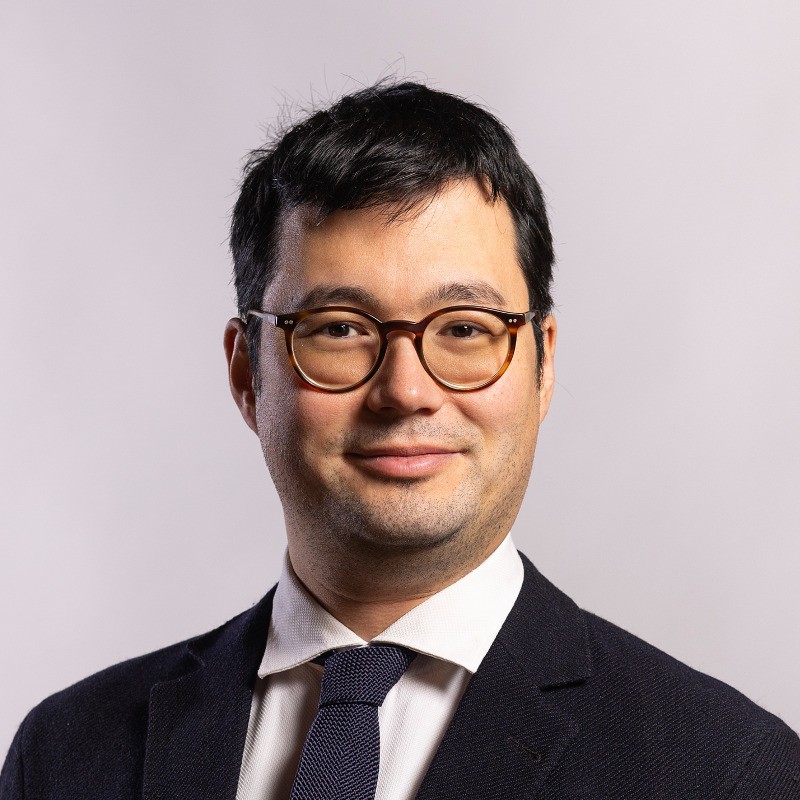
Arts&Métiers Institute of Technology, Châlon sur Saône, France

Keynote title: “Redefining our relationship with virtual avatars”
Short bio:
Jean-Rémy Chardonnet received a Ph.D. degree in robotics from the Montpellier University, France, in 2009. After being an Expert Engineer with INRIA Rhône-Alpes, he became an Associated Professor in 2011 with the LISPEN laboratory, Arts et Métiers Institute of Technology, France. In 2019, he was a visiting professor at the Karlsruhe Institute of Technology, Germany. Since 2023, he is a Full Professor at Arts et Métiers Institute of Technology, and Deputy Director of the LISPEN laboratory where he leads a team dedicated to XR. He is also responsible for the French-German Institute for the Industry of the Future, a strategic collaboration between Arts et Métiers and Karlsruhe Institute of Technology. His research interests include multisensory immersion, collaborative XR, predicting and mitigating cybersickness effects to propose individualized immersive experiences, by developing trustworthy intelligent avatars of the users. He is the co-author of more than 100 publications. He is involved in different international conference committees, e.g., IEEE VR, ACM VRST.
Short summary of the talk:
The literature shows a growing interest in avatars and virtual agents, with applications ranging from education to industry and healthcare. At the same time, rapid advances in AI are opening up new forms of interaction with these entities. Based on work carried out at the LISPEN lab at Arts et Metiers Institute of Technology, this talk will explore how we can leverage these advances to redefine our relationship with virtual avatars and, more broadly, immersive environments, and develop next-generation trustworthy extended reality.